
Call us now :07971189498
 Send Inquiry
 Send Inquiry
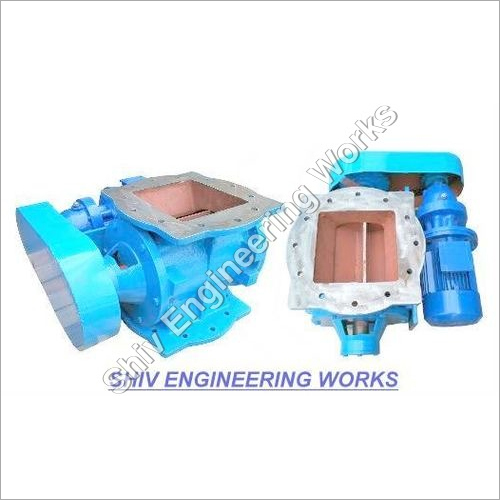
Rotary Valves
Price 24500 INR/ Set
MOQ : 2 Sets
Rotary Valves Specification
- Connection
- Flanged
- Finish
- Smooth, Corrosion Resistant
- Size
- Customizable as per requirement
- Sealing
- High Efficiency Sealing System
- Voltage
- 220V/380V/415V
- Material
- Cast Iron
- Power
- Electrical Watt (w)
- Media
- Air, Powder, Granules, Bulk Material
- Temperature of Media
- -10C to 180C
- Port Size
- 150 mm to 400 mm
- Flange
- Drilled as per ASA/IS/BS standard
- Application
- Rotary Airlock Feeders, Ash Handling, Grain Handling, Cement, Chemical & Pharmaceutical Industries
- Pressure Differential
- Up to 1 bar
- Number of Vanes
- 6, 8, or 10 as per design
- Maintenance
- Easy Cleanable Design
- Drive
- Direct/Chain/Sprocket Driven
- Surface Treatment
- Powder Coating/Epoxy Coating/Hot Dip Galvanized
- Bearing Housing
- Outboard, Grease Lubricated
- Capacity
- Up to 50 TPH
- End Cover
- Dining Plate/Quick Release Type
- Rotor Type
- Fixed Type & Adjustable Blade
- Mounting
- Horizontal/Vertical
- Compliance
- Designed to relevant International/Domestic standards
- Motor Type
- TEFC/Flameproof/Custom
- Speed
- 10-30 RPM
Rotary Valves Trade Information
- Minimum Order Quantity
- 2 Sets
- Supply Ability
- 30 Sets Per Month
- Delivery Time
- 3 Week
- Main Domestic Market
- All India
About Rotary Valves
Rotary Valves are used for the modulation and regulation of the flows. Basically, these can reduce the flow rate to a certain level that is safe and suitable to the process being started. These possess assorted significant benefits over the conventional assemblies. This is accessible with a high compression ratio and high rpm. Rotary Valves allow for more power. The have a compact as well as light-weight cylinder head. Utilization of these can enable the reduced complexity, higher functional reliability and lessened functional & maintenance cost.
Versatile Applications & Capacity
Rotary valves are suitable for demanding applications including ash and grain handling, cement processing, and pharmaceutical manufacturing. With customizable sizes and port diameters ranging from 150 mm to 400 mm, they are engineered to meet various flow and material handling requirements at capacities up to 50 TPH. Their capability to withstand media temperatures from -10C to 180C makes them ideal for a wide range of processing environments.
Advanced Construction & Compliance
Constructed from durable cast iron and finished with corrosion-resistant coatings-powder, epoxy, or hot dip galvanized-these valves offer long-lasting performance. Each unit is designed in accordance with relevant international and domestic standards, ensuring compliance and consistent quality. Options for mounting, flange drilling, and sealing systems provide adaptability for specific installation and operational needs.
Efficient Operation & Easy Maintenance
Featuring a carefully engineered design, these rotary valves support both direct and chain/sprocket-driven options and TEFC, flameproof, or custom motors. The outboard bearing housings with grease lubrication facilitate easy maintenance, while quick-release end covers and easy cleanable designs minimize downtime. High-efficiency sealing systems ensure leak-free operation, maximizing process efficiency and material control.
FAQ's of Rotary Valves:
Q: How do rotary valves with adjustable blades benefit my material handling process?
A: Rotary valves equipped with adjustable blades allow precise regulation of material flow, ensuring consistent feed rates and minimizing material leakage. This adaptability is useful for handling various bulk materials, from powders to granules, in industries like cement, chemicals, and pharmaceuticals.Q: What is the process for installing these rotary valves in a new system?
A: These valves are designed for straightforward installation thanks to flanged connections drilled as per ASA, IS, or BS standards. With customizable mounting (horizontal or vertical), they can be easily integrated into existing or new handling systems. Outboard bearing housings and quick-release end covers further simplify setup and future maintenance.Q: When should I opt for a flameproof or custom motor type?
A: A flameproof or custom motor is recommended when operating the valve in hazardous or specialized environments, such as chemical processing plants where flammable substances or strict safety standards are present. Motor selection ensures compliance with safety regulations while maintaining reliable operation.Q: Where can these rotary valves be applied most effectively?
A: They are highly effective in applications such as rotary airlock feeders, ash and grain handling, cement plants, and chemical or pharmaceutical industries-anywhere precise control and metering of bulk materials in air, powder, or granules is required.Q: What maintenance features make these valves easy to service?
A: Maintenance is simplified with external, grease-lubricated outboard bearing housings, quick-release end covers, and an easy cleanable design. These features enable fast access for inspection and part replacement, reducing operational downtime.Q: How does the high-efficiency sealing system improve valve performance?
A: The advanced sealing system significantly minimizes air and material leakage, ensuring reliable operation under a pressure differential of up to 1 bar. This enhances efficiency, reduces wear, and supports consistent product quality in demanding industrial environments.Q: What benefits do the corrosion-resistant finishes provide?
A: Surface finishes like powder coating, epoxy coating, or hot dip galvanizing protect the valve against corrosion and wear, extending operational life even in harsh or aggressive industrial atmospheres.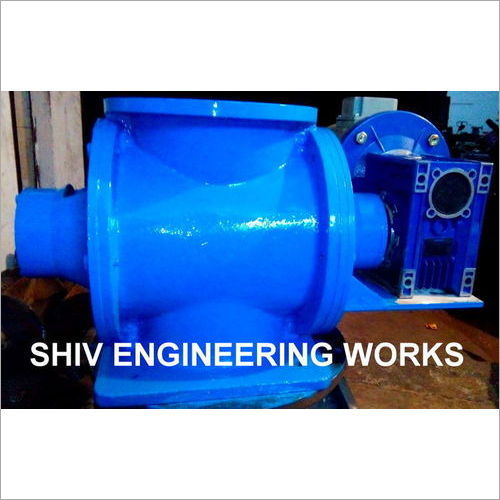
Tell us about your requirement

Price:
Quantity
Select Unit
- 50
- 100
- 200
- 250
- 500
- 1000+
Additional detail
Mobile number
Email

More Products in Rotary Airlock Valves Category
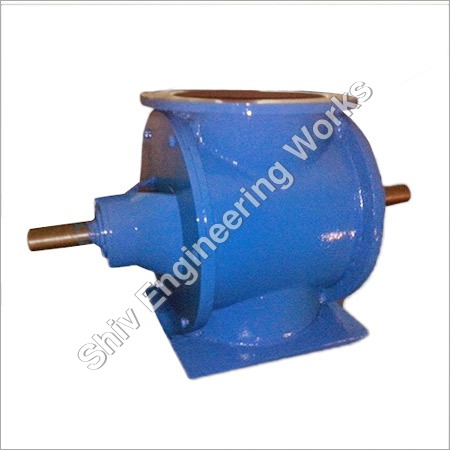
Ms Fabricated Rotary Airlock Valves
Price 1000 USD ($) / Set
Minimum Order Quantity : 1 Set
Sealing : Neoprene / Nitrile Rubber Gasket
Size : Standard & Customized Sizes Available
Application : Material Handling, Dust Collection, Pneumatic Conveying
Media : Other, Powder, Granules, Dust
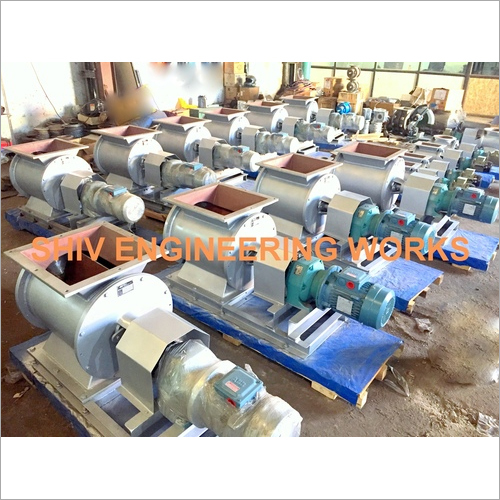
Rotary Airlock Valves
Price 1000 USD ($) / Set
Minimum Order Quantity : 1 Set
Sealing : Neoprene / Nitrile Rubber / PTFE Gasket
Size : Varies as per requirement (customized sizes available)
Application : Used for dust collection, material discharge from cyclones, hoppers, bag filter systems
Media : Other, Dry Powders, Granules, Pellets
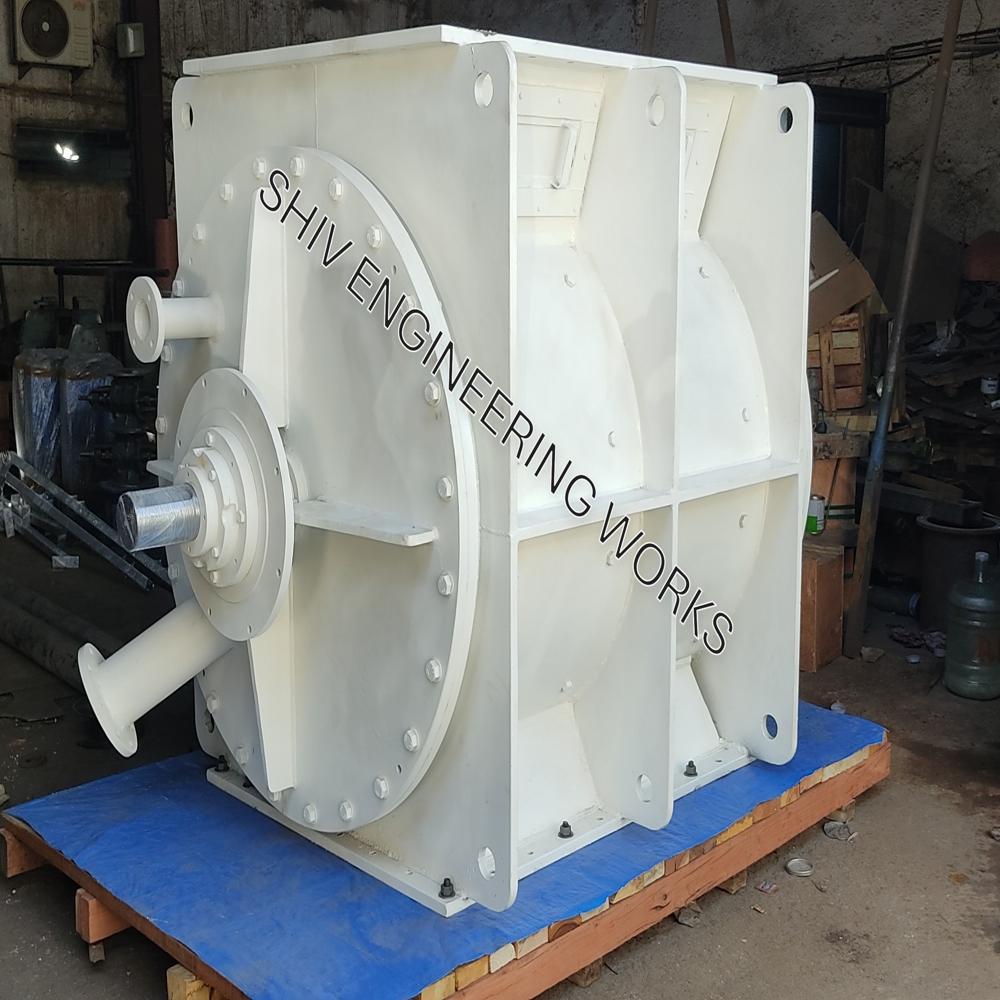
CI Rotary Air Lock Valve
Price 1000 INR / Piece
Minimum Order Quantity : 1 Piece
Sealing : Neoprene Rubber Seal
Size : Customizable (Standard 6 to 16)
Application : Dust Collection, Pneumatic Conveying, Discharge Feeding
Media : Other, Air / Powder / Granules
Self Cleaning Rotary Airlock Valves
Price 1000 USD ($) / Set
Minimum Order Quantity : 1 Set
Sealing : Dusttight, Airtight
Size : Customized as per requirement
Application : Bulk Material Handling, Pneumatic Conveying
Media : Other, Powder, Granules, Pellets

 Send Inquiry

Plot No. 40, Kailash Nagar Estate, Phase - 1, Vatva Gidc.Ahmedabad - 382445, Gujarat, India

Mr Amit Sathvara
(Proprietor)
Mobile :07971189498
 Send Inquiry
 Send SMS
Developed and Managed by Infocom Network Private Limited.
