
Call us now :07971189498
 Send Inquiry
 Send Inquiry
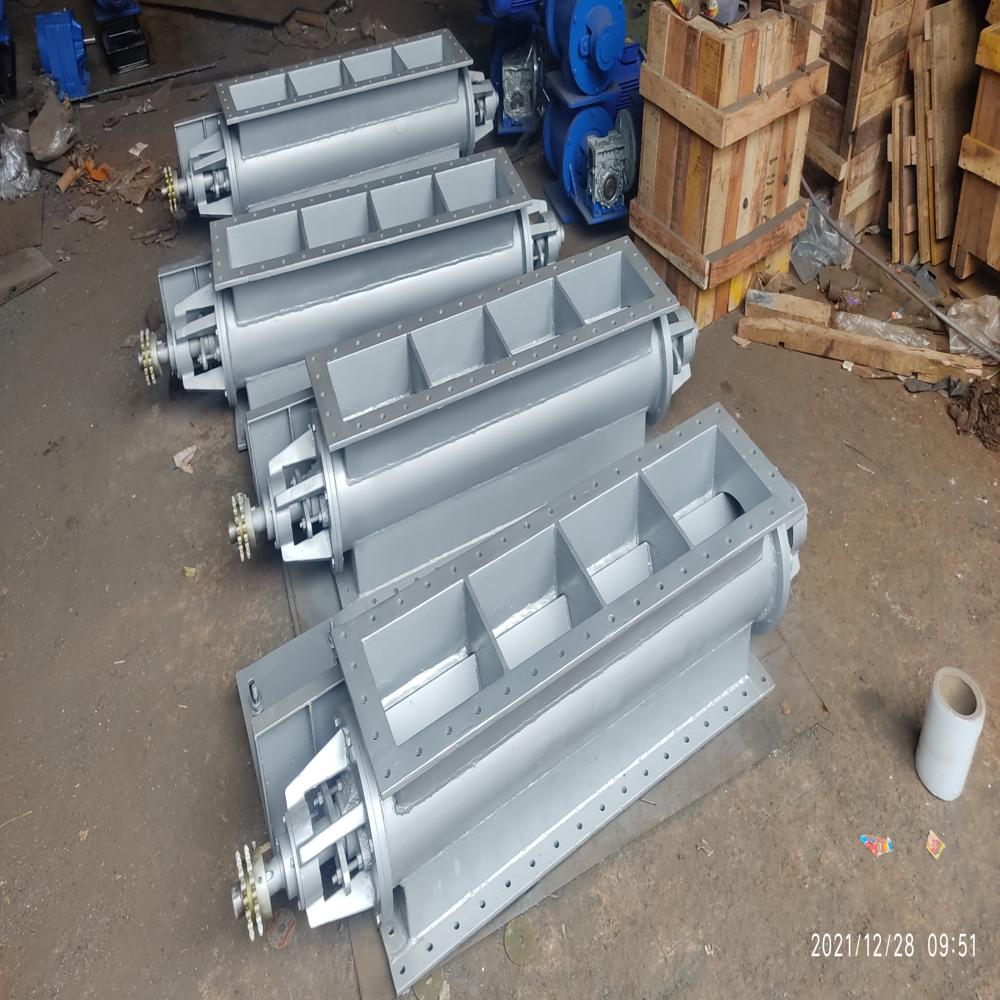
SS Rotary Airlock Feeder Valves
Price 69500 INR/ Set
MOQ : 1 Set
SS Rotary Airlock Feeder Valves Specification
- Connection
- Flanged
- Size
- Customizable as per requirement
- Finish
- Mirror/Matte as per order
- Voltage
- 220V/380V/415V
- Sealing
- Air Tight
- Material
- Cast Iron
- Power
- Electric
- Media
- Powder/Granules
- Temperature of Media
- Up to 250C
- Port Size
- 100 mm to 400 mm
- Flange
- ANSI/IS Flange Standard
- Application
- Bulk Material Handling, Pneumatic Conveying Systems, Dust Collection Systems
- Rotor Type
- Open and Closed available
- Operating Pressure
- Up to 1 bar
- Mounting
- Horizontal
- Body Thickness
- 10 mm or customized
- Drive
- Direct or Chain Coupled
- Capacity
- 50 kg/hr to 20,000 kg/hr
- Number of Vanes
- 8
- Surface Treatment
- Anti-Corrosive Coating Available
- Bearing Location
- Outboard
- Operational Duty
- Continuous Duty
- Rotor Material
- SS304/SS316
SS Rotary Airlock Feeder Valves Trade Information
- Minimum Order Quantity
- 1 Set
- Supply Ability
- 30 Sets Per Month
- Delivery Time
- 3 Week
- Main Export Market(s)
- Asia, Australia, Central America, North America, South America, Eastern Europe, Western Europe, Middle East, Africa
- Main Domestic Market
- All India
About SS Rotary Airlock Feeder Valves
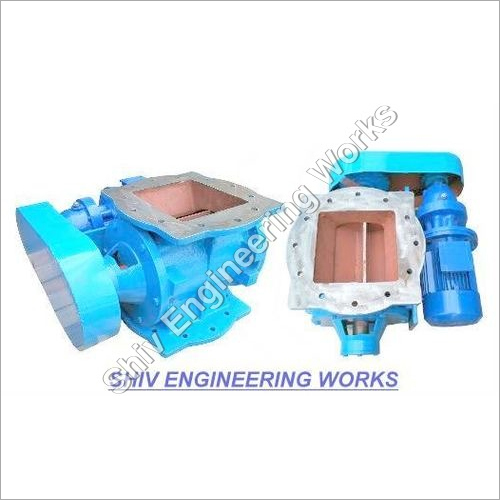
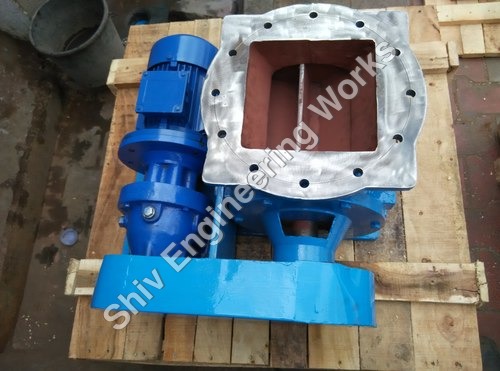
SS Rotary Airlock Feeder Valves we offer are widely suited for dust control equipment and pneumatic conveying systems. These also feature volumetric feed-controls, which are needed for metering the materials at accurate flow rates. These work in harmony with bins, silos and hoppers. These are suited for conveying as well as processing systems. SS Rotary Airlock Feeder Valves are apt for the applications where reduction in system air loss is needed. The valve are needed for transferring material between vessels with different pressures. They are functional as the feeder valves that manages the material flow between equivalent pressures and vessels.
Precision Control for Bulk Handling Applications
SS Rotary Airlock Feeder Valves deliver reliable material dosing for bulk material handling in industries where controlled flow of powders or granules is essential. Whether used in pneumatic conveying, dust collection, or feeding processes, the combination of customized port sizes, multiple rotor types, and airtight sealing ensures minimal loss and consistent operation, even in challenging environments.
Tailored Construction Meets Industrial Demands
Available with body thickness up to 10 mm or customized for specific requirements, our airlock valves employ proven anti-corrosive coatings and are manufactured from robust materials like cast iron and stainless steel. Rotor and finish options adapt to various media, while mirror or matte surfaces and ANSI/IS flange configurations allow seamless integration and performance longevity.
FAQ's of SS Rotary Airlock Feeder Valves:
Q: How is the SS Rotary Airlock Feeder Valve used in bulk material handling systems?
A: The valve is typically installed at transition points to regulate and isolate the flow of powders or granules between different equipment, such as silos, conveyors, or dust collectors. It ensures controlled discharge while preventing air leakage in pneumatic conveying and dust collection systems.Q: What are the benefits of choosing open or closed rotor types?
A: Open rotors are suitable for free-flowing, non-sticky powders, providing smoother discharge, while closed rotors are better for containing fine or challenging materials, minimizing leakage and cross-contamination. The choice depends on the material characteristics and application requirements.Q: When should anti-corrosive coating or a specific surface finish be selected?
A: Anti-corrosive coatings are recommended when the valve will be exposed to corrosive materials, harsh environments, or where extended service life is desired. The mirror or matte finishes can be chosen based on operational hygiene standards or aesthetic preferences.Q: Where are the bearings located in the rotary airlock feeder?
A: The bearings in this airlock valve are positioned outboard, outside the main material flow area. This design protects bearings from dust and material ingress, increasing their lifespan and reducing maintenance frequency.Q: What is the operating temperature and pressure range of this valve?
A: The valve can handle media temperatures up to 250C and operate at pressures up to 1 bar, making it suitable for a wide spectrum of industrial applications involving hot or pressurized bulk materials.Q: How can the SS Rotary Airlock Feeder Valve be customized for different installations?
A: Various parameters such as port size (100-400 mm), body thickness, rotor material (SS304/SS316), finish (mirror/matte), and drive type (direct or chain coupled) can be tailored to fit specific application and installation needs. Flange standards comply with ANSI/IS requirements for compatibility.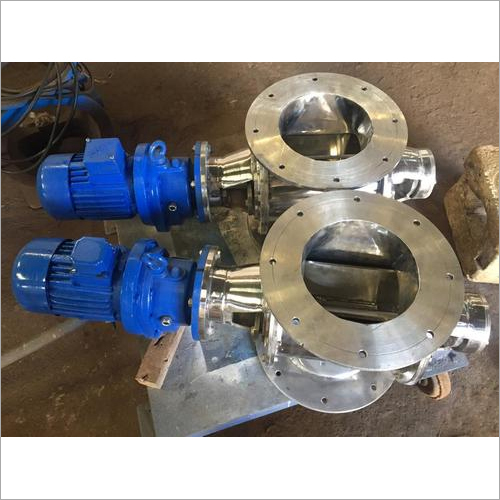
Tell us about your requirement

Price:
Quantity
Select Unit
- 50
- 100
- 200
- 250
- 500
- 1000+
Additional detail
Mobile number
Email

More Products in Rotary Airlock Valves Category
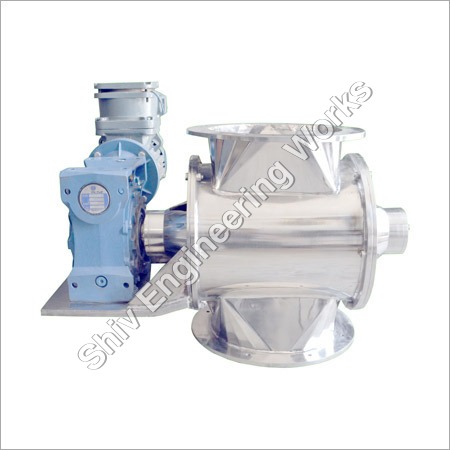
Stainless Steel Rotary Airlock Valves
Price 1000 INR / Set
Minimum Order Quantity : 1 Set
Media : Other, Air, Bulk Solids, Powders, Granules
Power : Other, 0.5 HP to 3 HP (depending on model)
Sealing : Air Tight Rotary Seal
Port Size : 100 mm to 500 mm
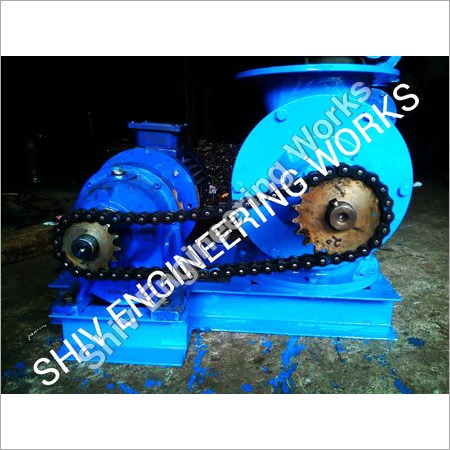
Heavy Duty Airlock Valves
Price 1000 USD ($) / Set
Minimum Order Quantity : 1 Set
Media : Other, Air / Powder / Granules
Power : Electrical Watt (w)
Sealing : HighTemperature Seals
Port Size : 100 mm to 400 mm (Custom Sizes Available)
Self Cleaning Rotary Airlock Valves
Price 1000 USD ($) / Set
Minimum Order Quantity : 1 Set
Media : Other, Powder, Granules, Pellets
Power : Electrical Watt (w)
Sealing : Dusttight, Airtight
Port Size : 150 mm to 400 mm
Rotary Feeder Valves
Price 1000 USD ($) / Set
Minimum Order Quantity : 1 Set
Media : Other, Powder, Granules, Cement, Fly Ash
Power : Electrical Watt (w)
Sealing : Neoprene Gasket
Port Size : 100 mm to 400 mm

 Send Inquiry

Plot No. 40, Kailash Nagar Estate, Phase - 1, Vatva Gidc.Ahmedabad - 382445, Gujarat, India

Mr Amit Sathvara
(Proprietor)
Mobile :07971189498
 Send Inquiry
 Send SMS
 Call Me Free
Developed and Managed by Infocom Network Private Limited.
