
Call us now :07971189498
 Send Inquiry
 Send Inquiry
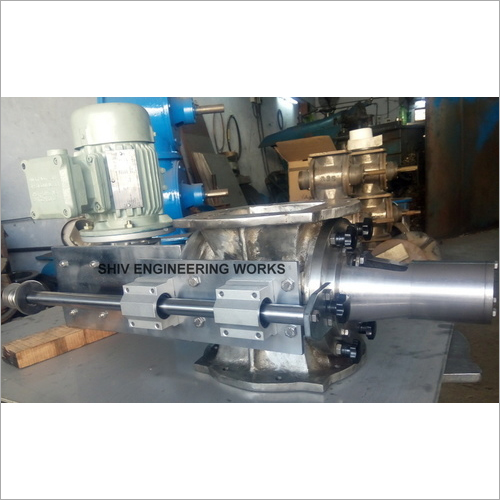
Rotary Airlock Feeder Valves
Price 29500 INR/ Set
MOQ : 1 Set
Rotary Airlock Feeder Valves Specification
- Size
- 6 to 24 (customized as per requirement)
- Sealing
- Gland Packing, Air Purge Seals
- Connection
- Flanged, Customized
- Voltage
- 220-415V
- Finish
- Smooth, Corrosion Resistant
- Material
- Cast Iron
- Power
- Electrical Watt (w)
- Media
- Powder, Granules, Pellets, Grains
- Temperature of Media
- -20C to 250C
- Port Size
- 150 mm (custom sizes available)
- Flange
- IS Standard Flange
- Application
- Pneumatic Conveying, Dust Collection, Feeding and Discharging Bulk Material
- Usage Environment
- Suitable for abrasive and non-abrasive materials
- Coating Option
- Epoxy or food grade coatings available
- Leakage Prevention
- Precision Machined Housing and Rotor
- Shaft Material
- EN8/SS304
- Body Thickness
- 8mm to 20mm
- Drive Type
- Gear Motor
- Installation
- Horizontal or Vertical
- Feed Rate
- 2 TPH to 16 TPH (varies by size and product)
- Bearing Housing
- Heavy Duty Cast Iron
- Number of Vanes
- 8
- Maintenance
- Low Maintenance Design
- Customization
- Available as per process requirements
- Rotor Type
- Closed / Open Rotor
- Noise Level
- Low Noise Operation
Rotary Airlock Feeder Valves Trade Information
- Minimum Order Quantity
- 1 Set
- Supply Ability
- 30 Sets Per Month
- Delivery Time
- 3 Week
- Main Export Market(s)
- Western Europe, North America, Eastern Europe, Africa, Asia, Australia, Central America, Middle East, South America
- Main Domestic Market
- All India
Rotary Airlock Feeder Valves About
Rotary Airlock Feeder Valve is functional as a valve without a home. This is used in many unique application. It is featured with an airlock. This can efficiently separate the pressure differential. The valve allows for pneumatic conveying and brings efficiency to the pressure systems. Rotary Airlock Feeder Valve can work as the vibratory feeder, screw conveyor, and a volumetric feeder. It is primarily made for its use in lower pressure differential systems as well as gravity flow applications.
Versatile Applications Across Industries
Rotary Airlock Feeder Valves are highly adaptable, serving pneumatic conveying, dust collection, and bulk material handling in numerous industries. They are suitable for integrating with horizontal or vertical systems, thanks to customizable port sizes and IS standard flanges. Whether processing food ingredients or handling abrasive raw materials, the valves' rugged design and variety of specialized coatings provide reliable, contamination-free operation.
Engineered for Reliability and Low Maintenance
Engineered with heavy duty components, such as EN8/SS304 shafts and precision-machined housings, these valves ensure long-term stability and minimal downtime. The design incorporates advanced sealing systems, including gland packing and air purge seals, reducing the frequency and complexity of maintenance activities. This guarantees a consistently smooth finish and ongoing corrosion resistance, even when conveying challenging or temperature-sensitive materials.
FAQ's of Rotary Airlock Feeder Valves:
Q: How do I determine the right size and feed rate for my application?
A: The ideal valve size and corresponding feed rate (ranging from 2 TPH to 16 TPH) depend on your specific process, media characteristics, and the required throughput. Our team can assist you in selecting the correct size, rotor type, and customization options based on your operational parameters and desired performance outcomes.Q: What are the main benefits of a rotary airlock feeder valve with a low-maintenance design?
A: Low-maintenance designs minimize wear and downtime, using robust materials, precision machining, and effective sealing systems. This ensures prolonged service life, reduced operating costs, and consistent material handling performance, even in abrasive or high-temperature environments.Q: When should I choose a closed rotor over an open rotor design?
A: Closed rotors are preferred for handling fine powders or when minimizing material leakage is critical, whereas open rotors are typically chosen for larger granules or when the process demands less restrictive material flow. We offer both configurations to align with your specific application and process requirements.Q: Where can these valves be installed: horizontally, vertically, or both?
A: Our rotary airlock feeder valves are designed for flexible installation, supporting both horizontal and vertical mounting. This adaptability allows seamless integration into various material handling systems, accommodating diverse layout constraints and process flows.Q: How do heavy-duty bearing housings and precision machining help prevent leakage?
A: Heavy-duty cast iron bearing housings paired with precision-machined valve housings and rotors create tight tolerances, minimizing clearances that can lead to leakage. High-quality sealing options, such as gland packing and air purge seals, further enhance containment and process integrity.Q: What customization options are available to suit different process needs?
A: Customization includes rotor type (open or closed), coatings (epoxy or food-grade), port and flange sizes, and various material options such as EN8/SS304 shafts. Tailored designs ensure optimal compatibility with your process media, temperature requirements, and system voltages.Q: What are the typical applications of these rotary airlock valves?
A: They are widely used in pneumatic conveying systems, dust collection setups, feeding and discharging bulk materials, and managing powders, granules, or grains across industries in India and abroad. The corrosion-resistant finish and low noise operation make them suitable for sensitive or contaminant-prone environments.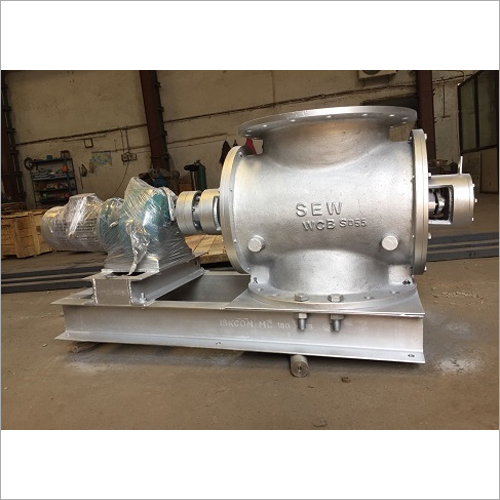
Tell us about your requirement

Price:
Quantity
Select Unit
- 50
- 100
- 200
- 250
- 500
- 1000+
Additional detail
Mobile number
Email

More Products in Rotary Airlock Valves Category
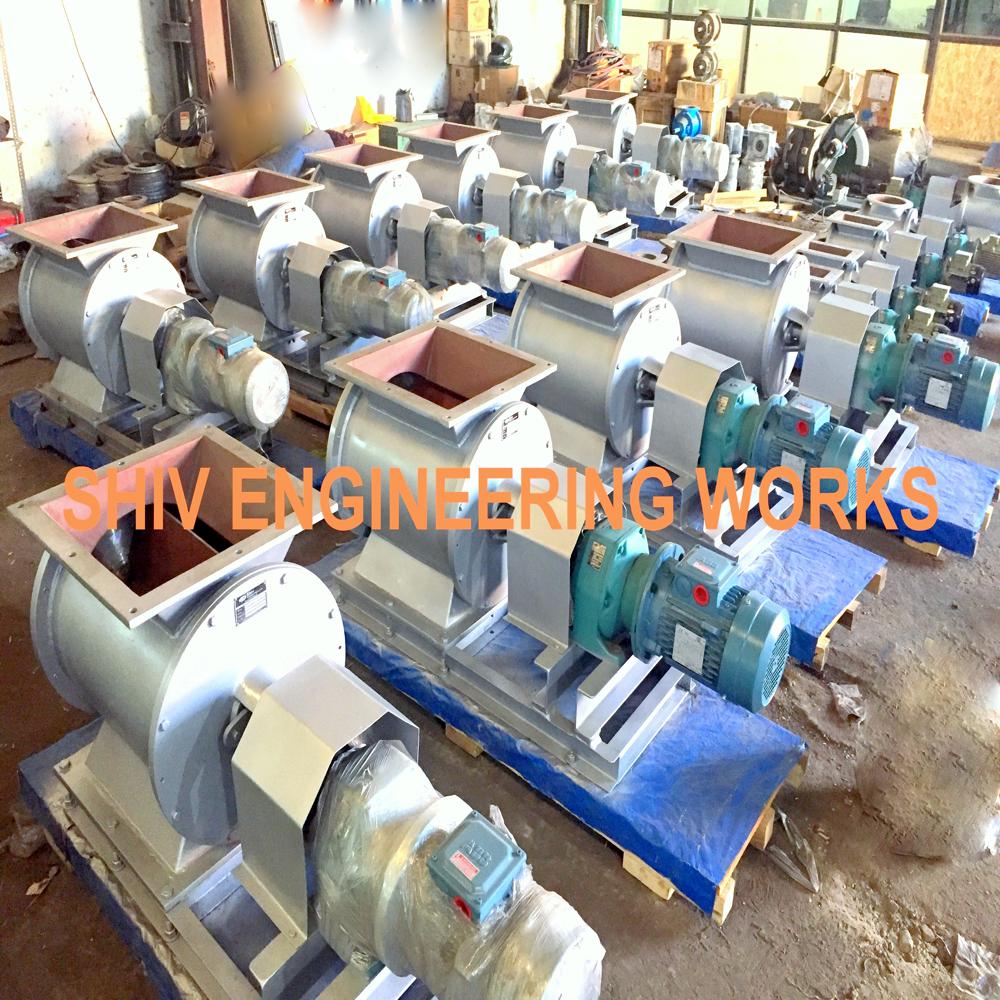
ROTARY AIRLOCK VALVE
Price 29500 INR / Number
Minimum Order Quantity : 1 Number
Application : Powder Handling, Dust Collection, Pneumatic Conveying, Discharge of Bulk Material
Flange : Standard / Customized (Drilled as per requirement)
Finish : Other, Smooth / Powder Coated
Material : Other, Cast Iron / Stainless Steel / Mild Steel
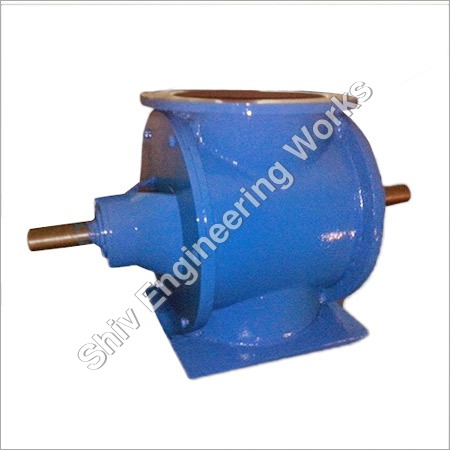
Ms Fabricated Rotary Airlock Valves
Price 1000 USD ($) / Set
Minimum Order Quantity : 1 Set
Application : Material Handling, Dust Collection, Pneumatic Conveying
Flange : Drilled as per IS or DIN standard
Finish : Other, Smooth Painted
Material : Casting
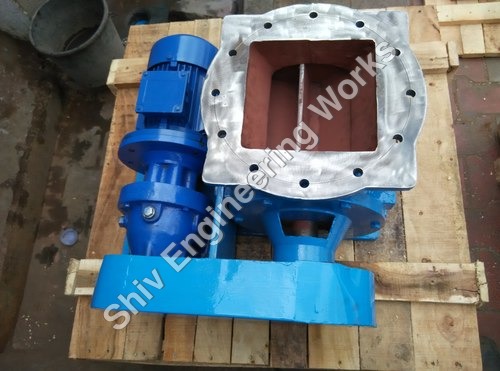
Rotary Feeder Valves
Price 1000 USD ($) / Set
Minimum Order Quantity : 1 Set
Application : Dust Extraction, Pneumatic Conveying, Solid Handling, Feeding Processing Machines
Flange : Standard Drilled as per IS/ANSI/DIN
Finish : Other, Smooth
Material : Cast Iron
Quick Clean Rotary Airlock Valve
Price 150000 INR / Set
Minimum Order Quantity : 1 Set
Application : Food Processing, Cement, Chemical, Pharmaceutical, Petrochemical Industries
Flange : ANSI/ DIN Standard
Finish : Other, Polished/ Coated
Material : Cast Iron

 Send Inquiry

Plot No. 40, Kailash Nagar Estate, Phase - 1, Vatva Gidc,Ahmedabad - 382445, Gujarat, India

Mr Amit Sathvara
(Proprietor)
Mobile :07971189498
 Send Inquiry
 Send SMS
 Call Me Free
Developed and Managed by Infocom Network Private Limited.
